
 Jill Medinger
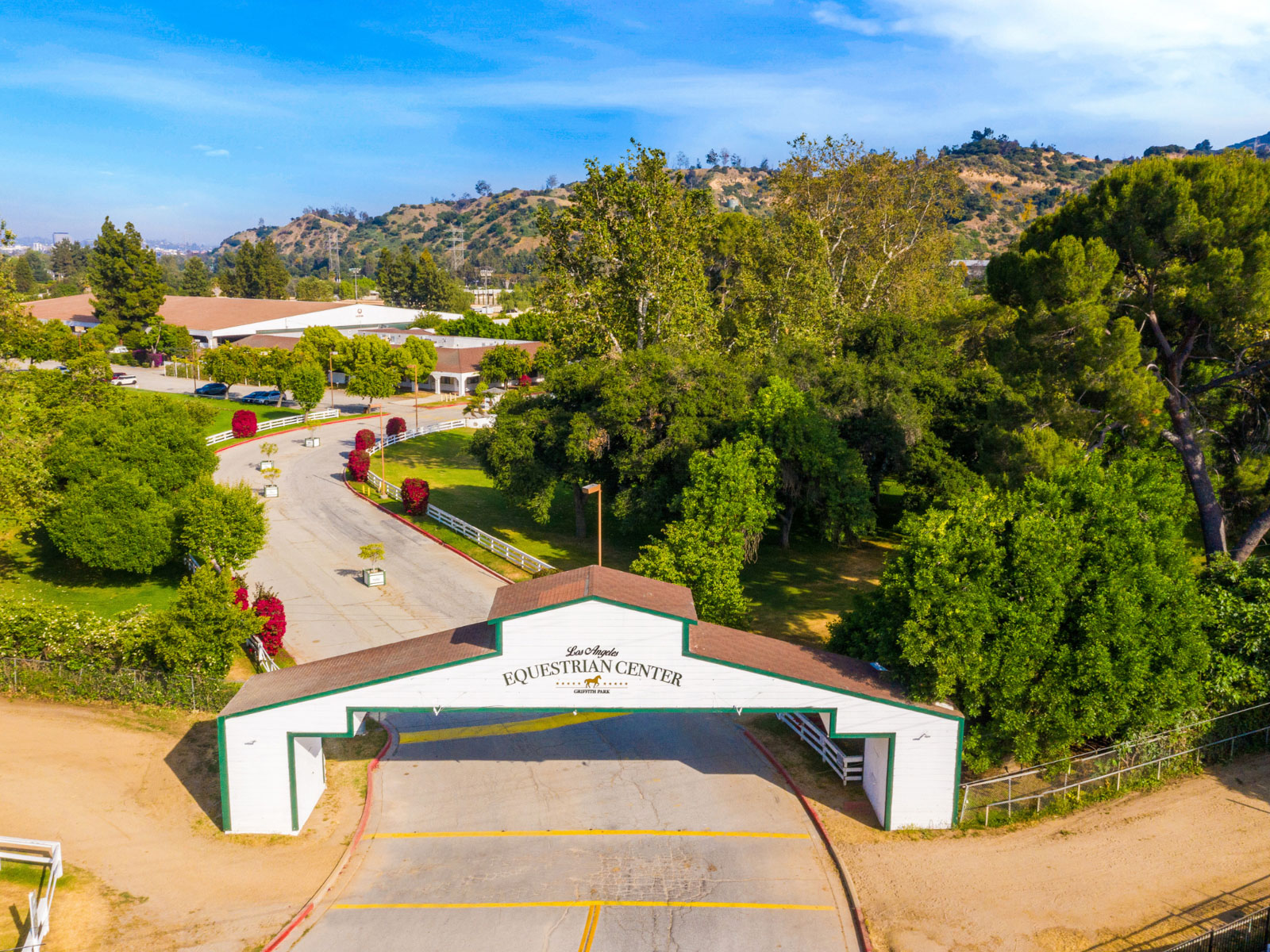
Surrounded by freeways and set within Griffith Park, this equestrian enclave reveals a quieter Los Angeles: one defined by early-morning hacks, heritage barns, and a community that has kept horse culture alive through decades of change.
PHOTOS COURTESY OF Los Angeles Equestrian CenterLos Angeles is a city that is famous for its sprawling streets, highways, and parking lots that have long since paved over most of its wild chaparral, farmlands, and orange groves. So the fact that 75 acres of open, working land still exists in Griffith Park is truly remarkable. With interminable growth all around, often at the expense of the spaces that offer real community and outdoor life, the Los Angeles Equestrian Center has become a unique site.
In 2024, Legends Global was chosen by the City of Los Angeles Recreation and Parks to be the new management team for the center, and over the past few years they have completed many projects and made improvements vital to daily operations. The venue now has 35 horse shows each year and over 100 private and special events, including film shoots and basecamps for the entertainment industry.
“Part of our mission is to be a pillar for the community and to remain a special place for people to continue visiting, preserving this iconic open space and to help keep the equestrian world alive and thriving here in our region,” says Jennie Nevin of the Los Angeles Equestrian Center. The rebrand restored the center’s name, but more importantly, it restored its role as a home base for a Southern California equestrian community that’s bigger and more unpretentious than most people assume.
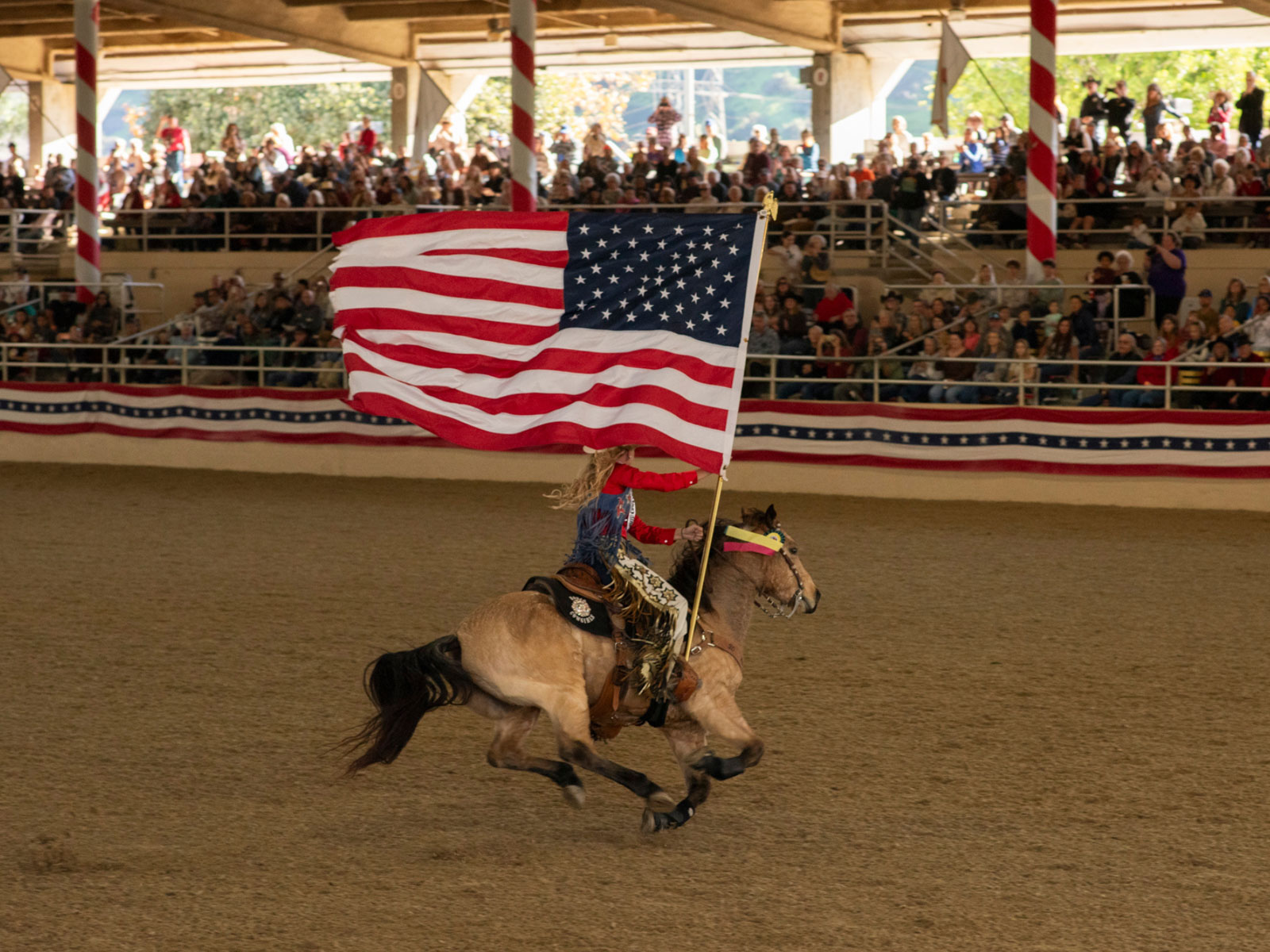
The Los Angeles Equestrian Center serves not only the Southern California region but equestrian competitors and other visitors from around the country. They make it their mission to be accessible and to introduce people to riding, support all levels of riders in equestrian sport, and to create a place where a lifetime of memories are made. The center hosts English, Western, and breed shows side by side, with no single discipline treated as the main event. What it sells isn’t exclusivity; instead it offers proximity: 75 acres inside the city limits, open to a riding school, a boarding community of more than 400 horses, and a public that is just discovering it.
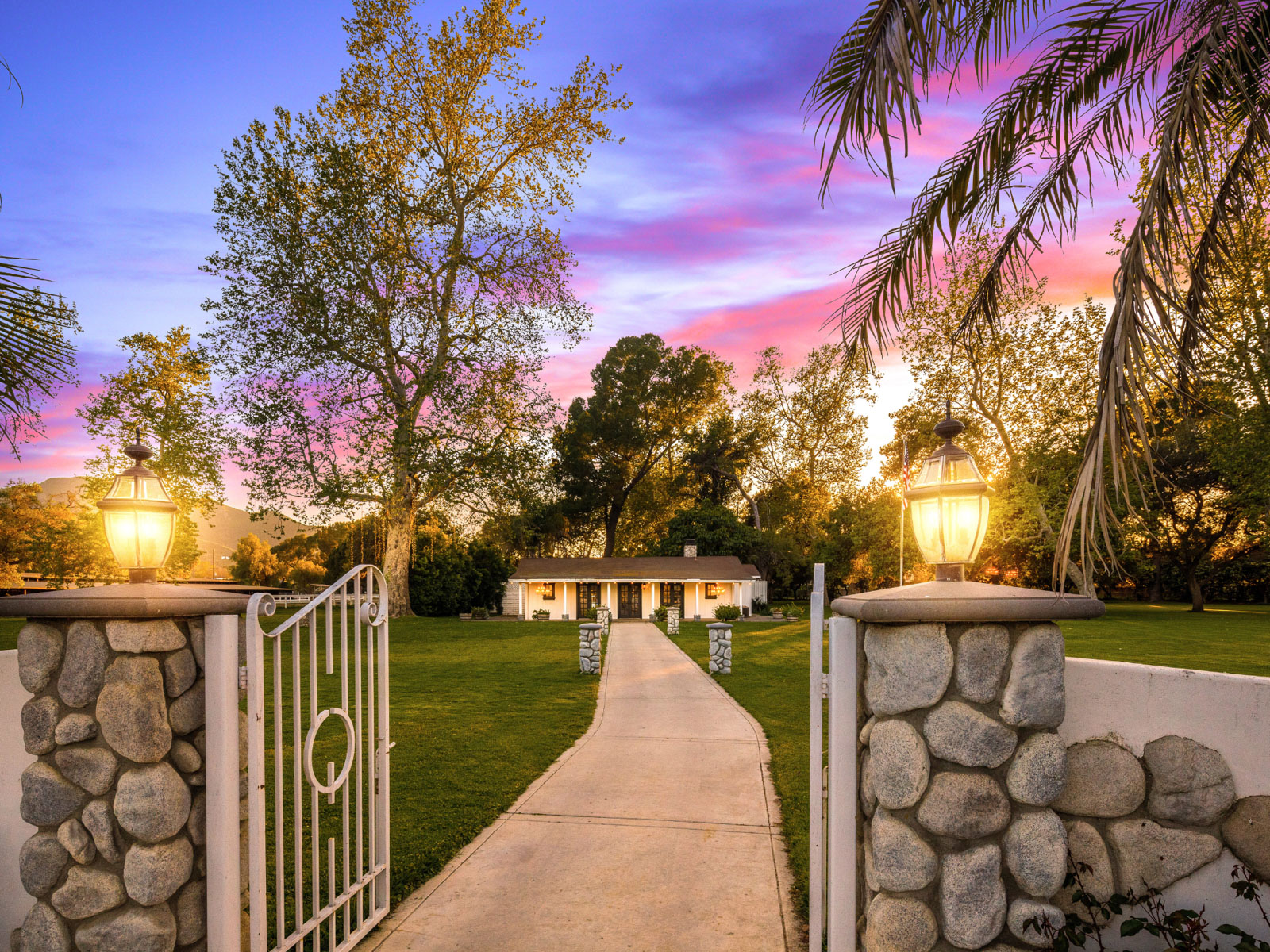
That last part comes up constantly, according to Nevin. Visitors tend to have one of two reactions. Some are simply startled that the place exists at all. “I didn’t know this was here,” she says, describing the most common response she hears. Others have a longer history with the property, and Nevin says she hears those stories just as often. “‘I had my first riding lesson there,’ they say, ‘Or, I got married there,’ ‘We had our dear uncle’s memorial there.’” Horse show venues can rarely leave such a mark, carving out a home in their community.
The center’s civic role became essential on January 7, 2025, when the Los Angeles fires spread and LAEC was activated by the Office of Emergency Management and the LA Fire Department as an official evacuation site for horses and large animals. What arrived wasn’t just horses. Trailers rolled in carrying pigs, goats, sheep, and donkeys, some with owners in tow and some without. Within the first 24 hours, the center had taken in 300 animals; by the end of the week, it had reached capacity at 408. More than 1,500 volunteers served over the following weeks, and the center’s food and beverage team cooked more than 2,000 meals, backed by a steady stream of donated food from neighbors and local businesses.
Nevin describes what that period revealed about the property’s purpose. “The bonding we all felt as a community, the volunteers that came, the support was stunning, to just help people,” she says.
The rest of the calendar reflects the same spirit. Each December, LAEC hosts EquestFest, which is tied to the Tournament of Roses Rose Parade’s exhibitions, drawing roughly 4,000 people to the only covered arena of its size in the region. The center has also hosted a production with Fever Drone Concerts featuring 4,000 LED lights strung across its cricket field, a live string quartet performing Vivaldi’s Four Seasons, and a drone display overhead (which had to be cleared through the FAA given the site’s proximity to Burbank and Van Nuys airports). A separate multi-week residency, an immersive arts event called The Cortege, brought stilt performers and a silent disco to the grounds, all while, Nevin notes, the horses relaxed undisturbed in their stalls nearby.
There’s also a more everyday version of that same openness. “We have a trading post that we do for people to come trade their tack and boots and things,” Nevin says. It captures the communal atmosphere that LAEC seems to be aiming for. This season, the center will host events such as the LAWineFest, Pacific Ridge Show Jumping’s Grand Prix, and EquestFest, to name a few.
Three years into its reinvention, the center’s ambitions are less about growth for its own sake than about visibility. LAEC is making sure that this unique communal land inside one of the country’s biggest cities doesn’t just disappear the way so much open space already has. The equestrian world has a reputation for gatekeeping, but LAEC seems more interested in what happens when it’s left wide open.
Learn more at thelaec.com. This story appears in the Fall 2026 issue of Equestrian Living.