 Sarah Lessler
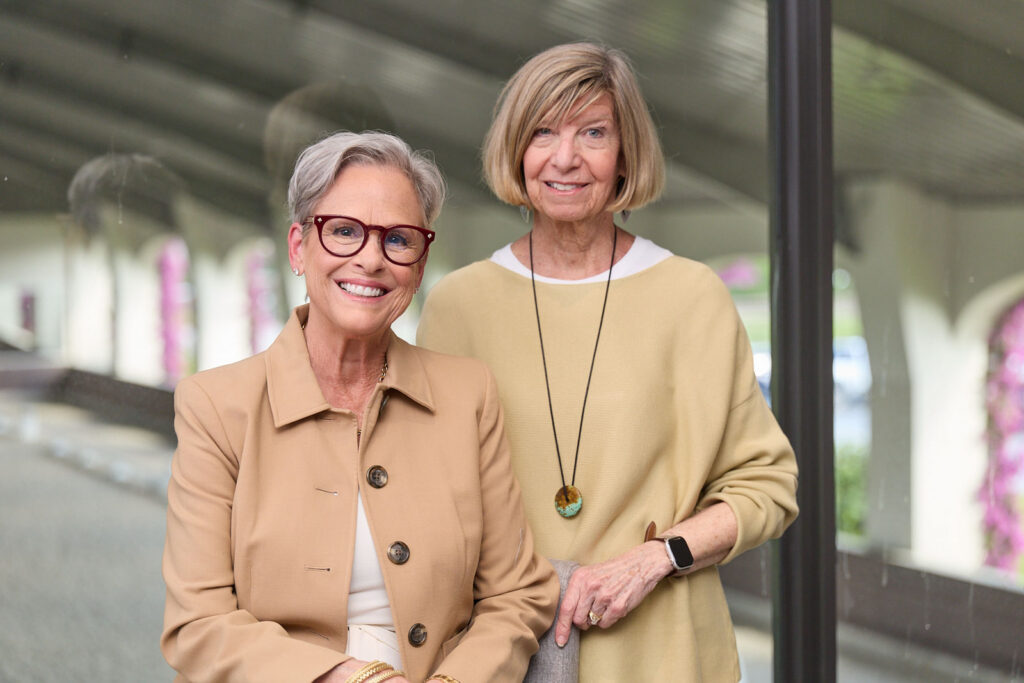
INTERVIEW STEPHANIE PETERS · PHOTOS GEORGE KAMPER
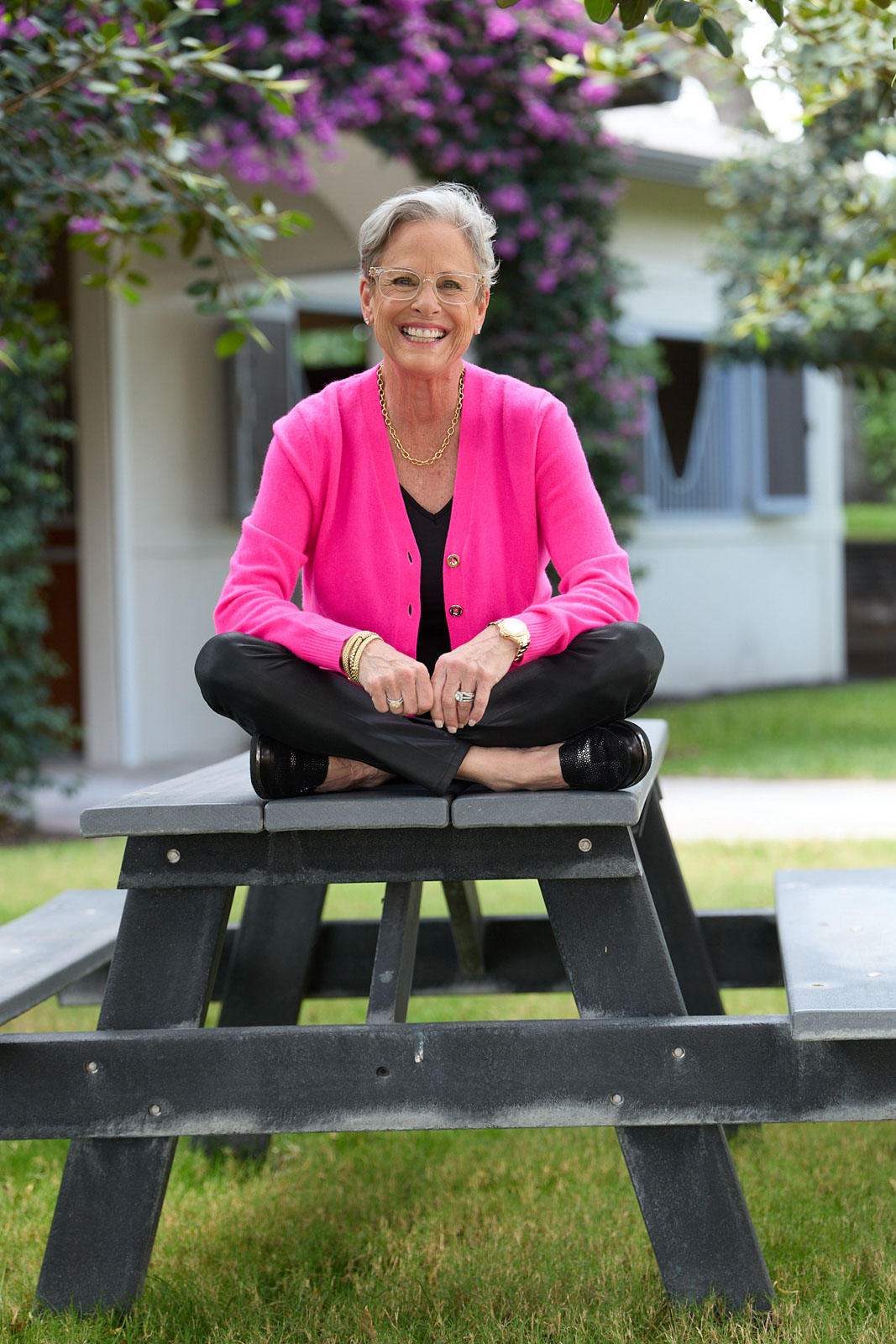
King works with equestrians, combining hypnosis and neuro-linguistic programming with mental performance training for riders.
Questions
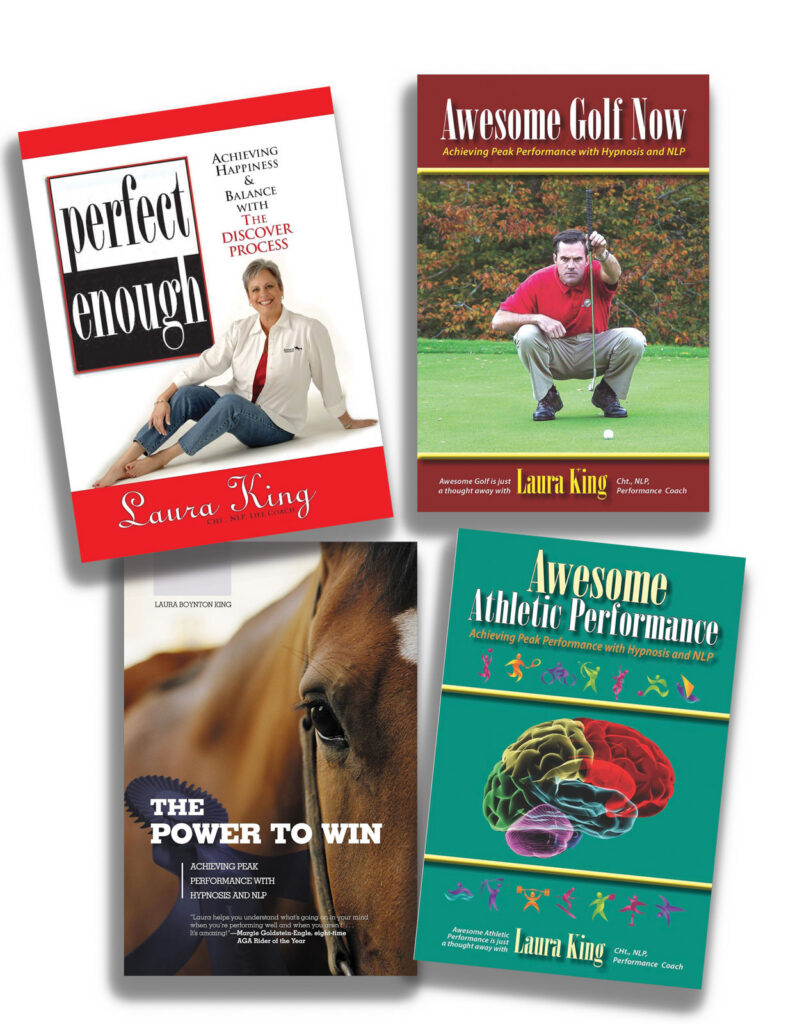
Laura King became a certified hypnotist in 2001 and founded Summit Dynamics and Summit Press shortly after. In 2004, she published The Power to Win: Achieving Peak Performances with Hypnosis & NLP, establishing herself as an early advocate for mental performance and mindset training in the equestrian community.
King expanded her work in 2006 by founding Summit Hypnosis & Wellness, where she developed programs for riders, trainers, executives, medical professionals, and caregivers.
In 2009, King appeared on “The Rachael Ray Show,” demonstrating hypnosis techniques and introducing a national audience to the role of mindset training in performance and personal development.
She continues to speak and write books about performance psychology and self-hypnosis techniques for athletes and individuals across a range of disciplines.
EQLiving’s editor interviewed King in Wellington, Florida, in March 2026.
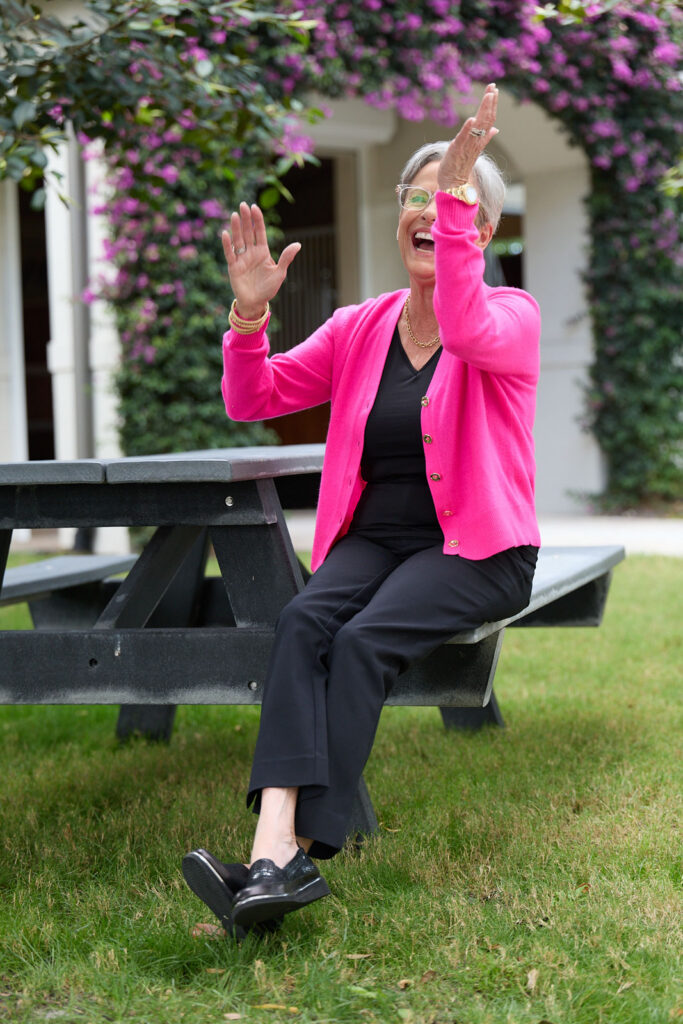
Many athletes get trapped trying to be perfect. I prefer the concept of being your personal best.
How did you start your equestrian journey as a child?
I grew up in Pahokee, Florida, and my father was a cattle farmer, so I was around horses from a very early age. As a little girl, I rode cow ponies and helped herd cattle. One summer I went to camp and was introduced to English riding. When I came home, I begged my parents for a different kind of horse. My uncle sent me an English saddle from Tennessee, and I practiced riding in it. Eventually my parents took me to my first horse show at the Posse Grounds in Palm Beach County. I had the right clothes and thought I was doing a wonderful job, but I didn’t win a ribbon. I was so upset that I asked the judge what was wrong. She said, ‘Honey, you have a saddle-seat saddle, and this is a hunt-seat class. You need the right saddle.’ It was a great lesson, and I’ve never forgotten it.
See the video of the interview at eqliving.com/lauraking. EQLiving’s crew included George Kamper, EQ Photo Director; C.W. Medinger, Publisher; Stephanie Peters, Editor; James Wooster, Videographer; Leslie Munsell, Hair & Makeup.
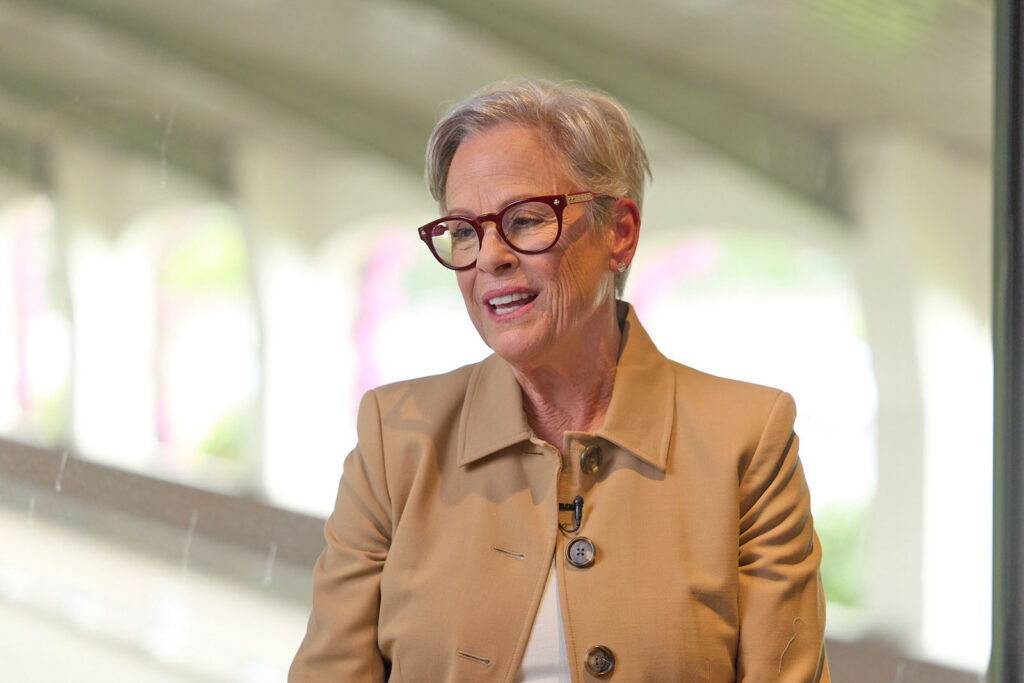
About 48 years ago, when I was in my early 20s, I went through a lot of depression. My mother found a hypnotherapist who helped me change the way I thought, manage my emotions, and see how powerful the mind can be. I continued practicing the techniques she taught me for many years. When she passed away 25 years ago, I inherited her research and materials, which included extensive information on the mind and how to use it effectively. When I came home from her funeral, my husband said, ‘You should become a hypnotherapist.’ I told him there was no way because I was terrified of speaking in public. But I enrolled in school, became certified, and I’ve been doing this ever since. I often joke that I got hypnotized into my career.
How did you end up focusing on athletes?
My first client was a professional golfer, and I found myself traveling around the country. I realized I needed to learn more about sports performance, so I attended a hypnosis convention. A presenter was teaching hypnosis for golfers, and the topics included performance anxiety, concentration, and peak performance. I realized the lessons being taught for golfers could easily be adapted to help equestrians as well. I started writing my first equestrian performance scripts right there in class. When I returned to Wellington, I began working with horse people because that was the world I already knew.
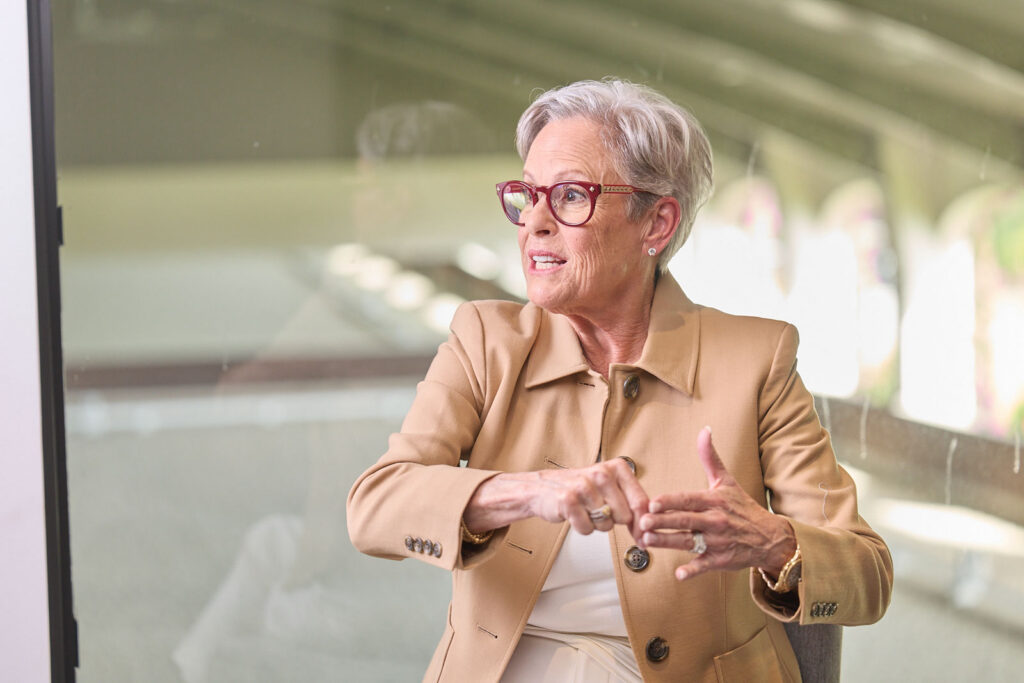
A horse feels what the human feels. The horse mirrors the rider, and the rider mirrors the horse. They constantly influence each other. Most of our brain operates through long-term memory, habits, patterns, and emotions. When riders learn a skill, they develop unconscious competence and confidence. Problems occur when the conscious mind starts chattering with ‘what ifs’ and self-doubt. My goal is to help riders trust the skills they already have so they can ride with ability, confidence, and freedom.
You also discuss NLP. What is the difference between hypnosis and NLP?
NLP, or neuro-linguistic programming, is essentially a form of waking hypnosis. It focuses on the words we use and the neurological pathways connected to our thoughts and emotions. Hypnosis itself is simply a relaxed state of focused attention. People move in and out of it every day. When someone worries and turns a molehill into a mountain, they are hypnotizing themselves with negative thoughts. I use hypnosis and NLP together to help people reframe those thoughts and create healthier patterns.
How do you help riders who have lost confidence?
When a negative experience becomes attached to riding, we first identify what created that association. Then we help the rider release the emotional charge connected to it and reconnect with the reason they ride in the first place. For most equestrians, that reason is their love for their horses. When we reconnect with that passion, the joy of riding often returns.
You work with athletes in many different sports. What do they all have in common?
Whether it’s horseback riding, golf, hockey, skating, or snowboarding, the foundation is the same: unconscious competence and unconscious confidence. I don’t need to be an expert in every sport. I ask the athlete what their coach is always telling them to do and what they are trying to achieve. Many athletes get trapped trying to be perfect. I prefer the concept of being your personal best. The subconscious mind responds better to clear, positive instructions than to words like ‘don’t’ and ‘not.’
You’ve written many books. Is writing a passion?
My first book came about because a publisher approached me after I helped his wife improve her riding. That became The Power to Win. I also had a wonderful ghostwriter who could type faster than I could talk. That was important because I’m dyslexic, and writing has always been more challenging for me than speaking. Hypnosis actually helped me get through college despite my learning disability.
What do you hope will be the lasting impact of your work?
My goal has always been to help people, one person at a time. If horses are the doorway that helps someone become happier, then that’s wonderful. I want people to find joy in their lives. We only get one life, and being your personal best and being happy are incredibly important. When riders rediscover joy with their horses, they carry that joy home. It affects their families, their relationships, and the way they move through the world.