
 Sarah Lessler
How Ryerss Farm turned a 19th-century rescue mission into a Chester County sanctuary.
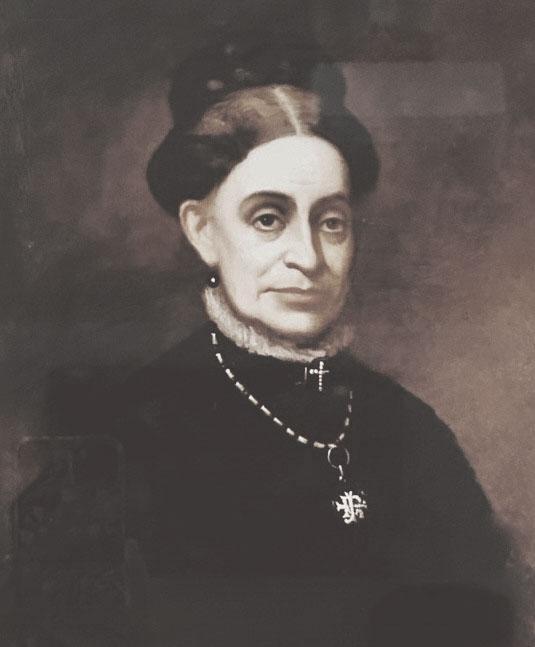
ALL PHOTOS COURTESY OF Ryerss FarmI can’t say for certain what initially piqued my interest in Ryerss Farm for Aged Equines. It may have been references to its status as the oldest nonprofit organization in the U.S. dedicated to providing a comfortable retirement for horses, or the fact that a petite, feisty descendant of a prominent Philadelphia family was behind the charitable institution established in 1888. Fearless in confronting horse owners who mistreated their animals, Anne Waln Ryerss convinced them to allow their horses to be rehabilitated at her farm.
Anne was considered one of the “Great Meddlers,” a nickname first given to Henry Bergh, the unrelenting animal rights advocate and founder of the ASPCA. A decade later, Anna Sewell, author of “Black Beauty,” emerged as another impassioned voice for the working horse’s plight. Today, Anne Waln Ryerss’ focus and passion remain a steadfast north star for those continuing her mission at Ryerss Farm 138 years later.
I spoke with Samuel Griffin, president of the Ryerss’ Board of Managers since 2012, who has closely observed the farm’s growth across 380 acres in Chester County, Pennsylvania.
Griffin doesn’t need much prompting to set the scene for how Ryerss came to be. “We set the stage for people by reminding them what it was like in the 1880s, when horses provided everything,” he says. “They provided horsepower for transportation, farming, and industry, and they were considered expendable because they were just a tool.”
It’s that context that makes Anne Waln Ryerss’ intervention so striking. “Going around and seeing a lame horse pulling a bread wagon, she would say to the owner, ‘Listen, why don’t you just give me the horse, and I will take him to my farm and care for him. When he’s better, you can come and get him,’” Griffin says. “And then she just never would give the horse back, especially if it was an elderly horse; she knew it was going to continue to be abused and put right back to work. The person was perfectly happy to get an expensive horse off his hands. It’s a wonderful visual that explains why we are here,” he adds.
Asked whether Anne would be pleased with what the farm has become, Griffin doesn’t hesitate: “Yes, I really do think that she would be pleased, because it’s perpetuating her view of humane treatment of horses to a great number of people.”
For much of its history, Ryerss Farm operated quietly—a little too quietly, actually, as Griffin discovered when he joined the board 14 years ago. “We were the biggest secret in all of Chester County. No one knew anything about Ryerss Farm,” he admits. He’d even lived near the farm’s former West Whiteland property and, after it was sold for development, assumed the organization had closed.
The fix was old-fashioned legwork. Staff or board members would give talks at Rotary clubs and retirement communities, fill dinner-speaker slots whenever needed, and eventually gain a foothold on the internet. Local television segments helped too, along with a long-standing presence at the Devon Horse Show. “Fourteen years ago, people would say, ‘So what is Ryerss Farm?’ Now, when Ryerss’ representatives are sitting at the table at Devon, people come up and say, ‘Oh, I love Ryerss. I know all about Ryerss.’”
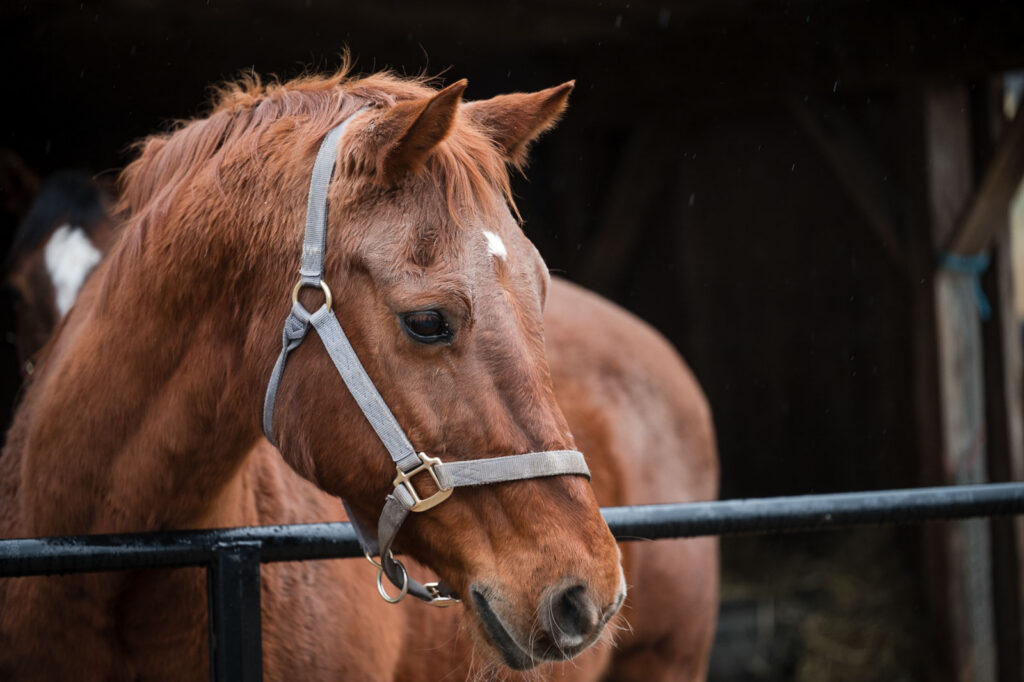
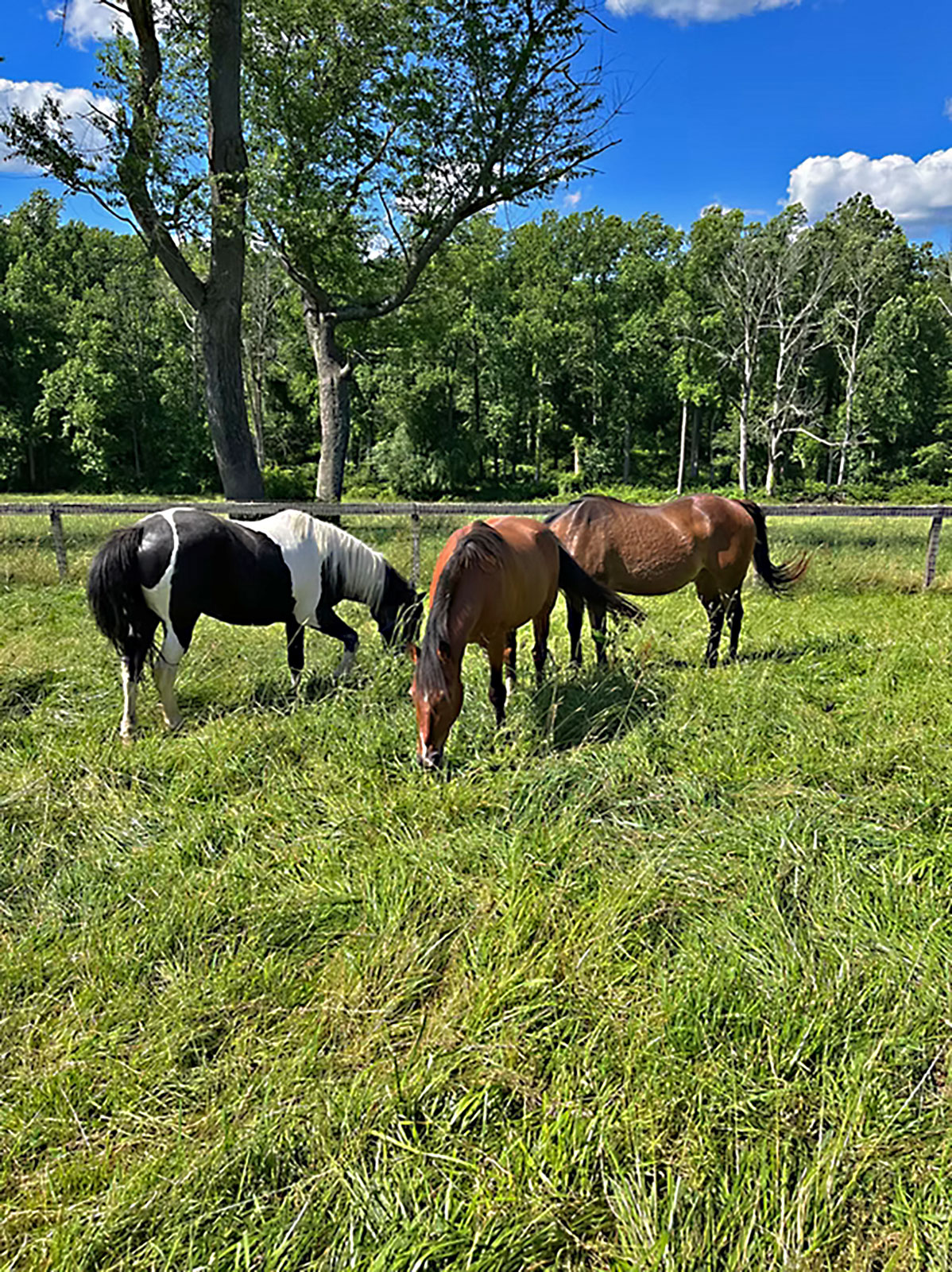
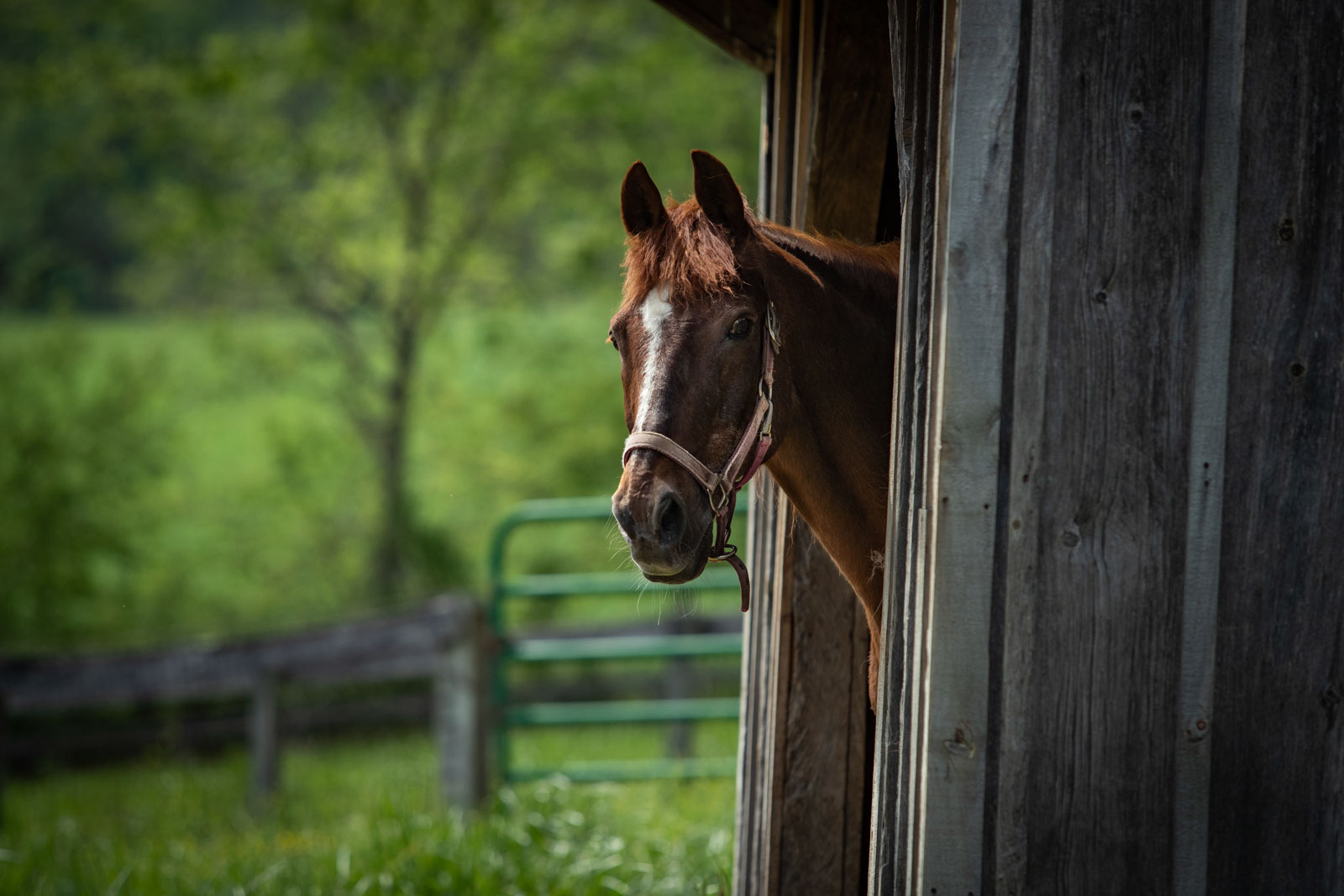
The change reshaped daily life on the farm. Originally, Griffin’s office was in a wonderfully quiet farm setting, somewhat removed from the day-to-day farm activities—a distance he enjoyed. Griffin says, “It remains a wonderful place to be, and now every single day of the year we have visitors.” When the first steady flow of visitors began, he jokingly wondered, “Are we giving away money? They come, love it, and are happy here,” Griffin says. “They tell their friends, who then bring their families, so it just becomes a self-fulfilling thing. We call Ryerss the happiest farm on earth because that’s what we try to make it.”
Admission to the farm is free; visitors can buy healthy feed for the horses, browse a small gift shop, or become sponsors for $500 a year. “Being a sponsor is a way to have a horse without having to own one,” Griffin says. “You can’t ride it or work it, but you can love it and learn a little bit about horsemanship.”
Ask Griffin for one horse whose story sums up the farm’s mission, and he resists the premise. “Every one of the horses here has a story that captures what the farm is truly about,” he says. Still, two names come up immediately: Bear and Magoo, former search-and-rescue partners in Alaska who were flown to Ryerss once they aged out of service. “They were able to come here, have their shoes removed, and just live the life of a horse without having to worry about the kind of work they had done before.”
The farm has also taken in Olympic-caliber show jumpers who spent most of their careers in a stall between competitions. “They come here, and they don’t have to do that anymore. They just get to go out and be with their buddies,” Griffin says. “They bent to the will of their human carers for all of their lives, and now humans are sort of taking care of them.”
That reversal resonates beyond the horse world. Griffin recalls a veteran who came to Ryerss as a volunteer, arriving early each morning to feed the horses before anyone else was around. One day, he brought his psychiatrist to the barn. “He waved his arm at the horses and said, ‘They healed me, you know.’” Griffin credits that shift with broadening the farm’s donor base: “Now it’s a general love of animals,” he notes. “People who don’t live in the country and don’t own horses get to come here and enjoy it. That’s one of the great secrets for us in getting the word out.”
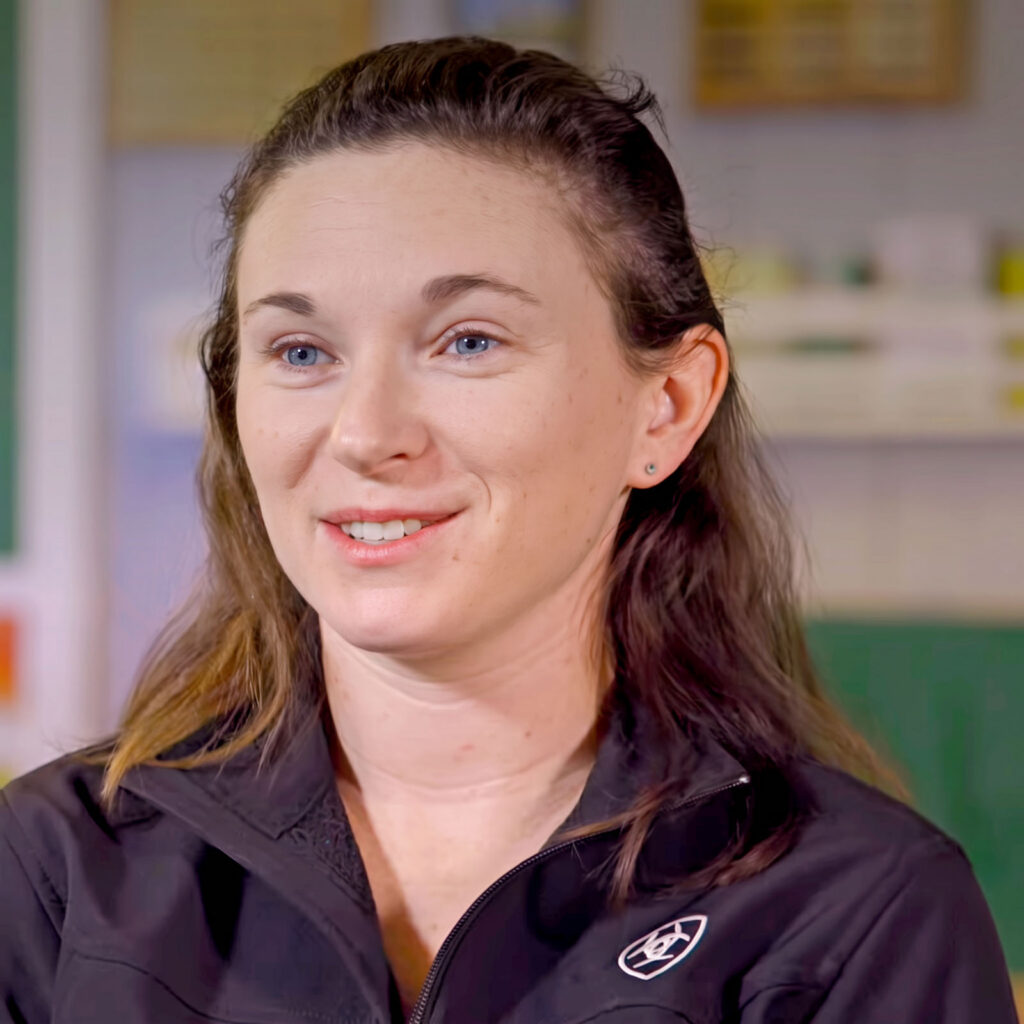
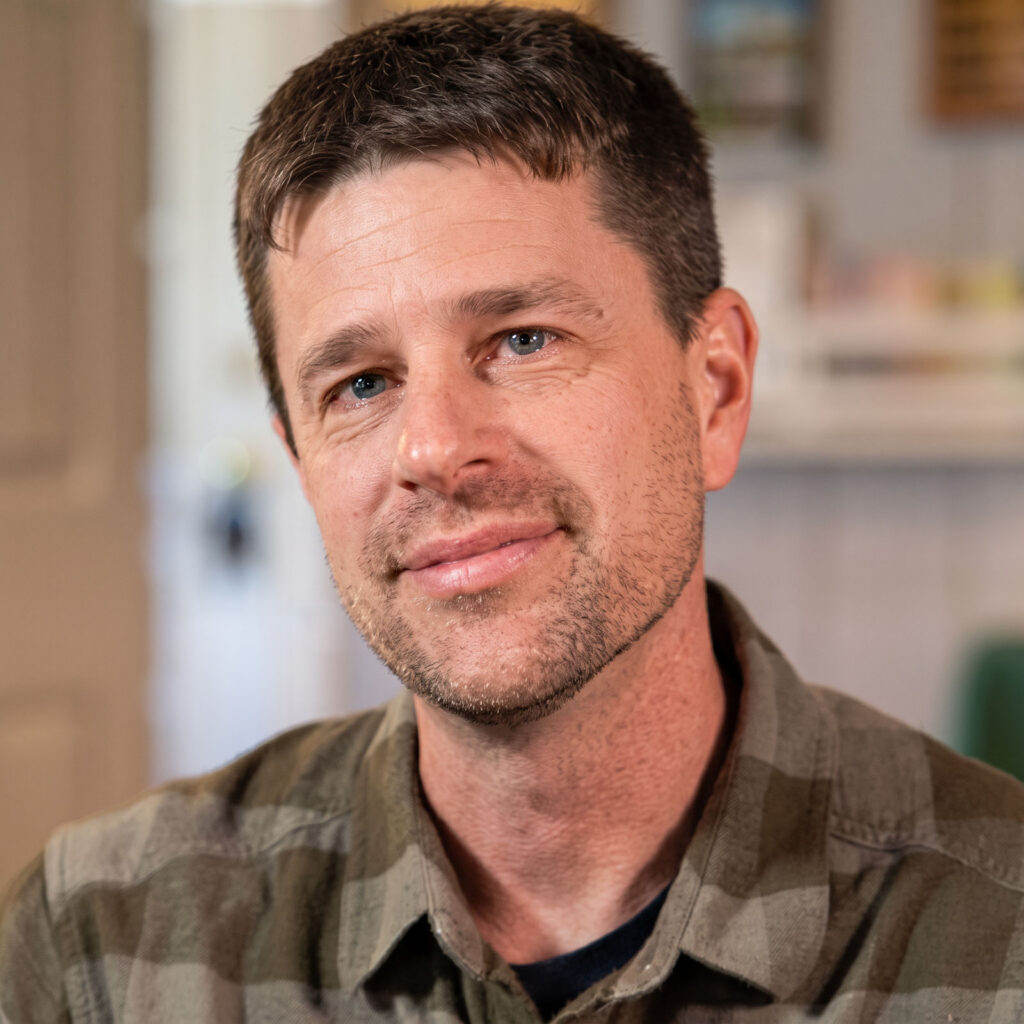
Ryerss functions much the same way you would think about a human retirement community. Owners often place horses on the waiting list years before they’re eligible, simply to guarantee a spot once they turn 20, the farm’s minimum entry age. Many of those horses never actually come; their owners keep them but like having the option.
Exceptions apply in genuine emergencies. Abused or neglected horses referred by the SPCA or the Large Animal Protection Society (LAPS) jump the line, provided they meet the age minimum. Griffin recalls one exception that became a lesson. LAPS once asked Ryerss to take in Albert, described as an abused, elderly donkey, without paperwork confirming his age. Once he was there, the vet checked him out and recognized the donkey was no more than 8 years old. “Donkeys live for a very long time, so Albert will be here forever,” Griffin laughs.
New arrivals are settled in gradually: first walked to their own stall, then placed in a paddock beside a resident field, separated only by a fence line so horses can size each other up before meeting directly. Animal Welfare Manager Karen Moore oversees the introductions and “just has a sixth sense about that,” Griffin says. “Integration usually takes just a few days and is not dissimilar to when a child goes to camp.”
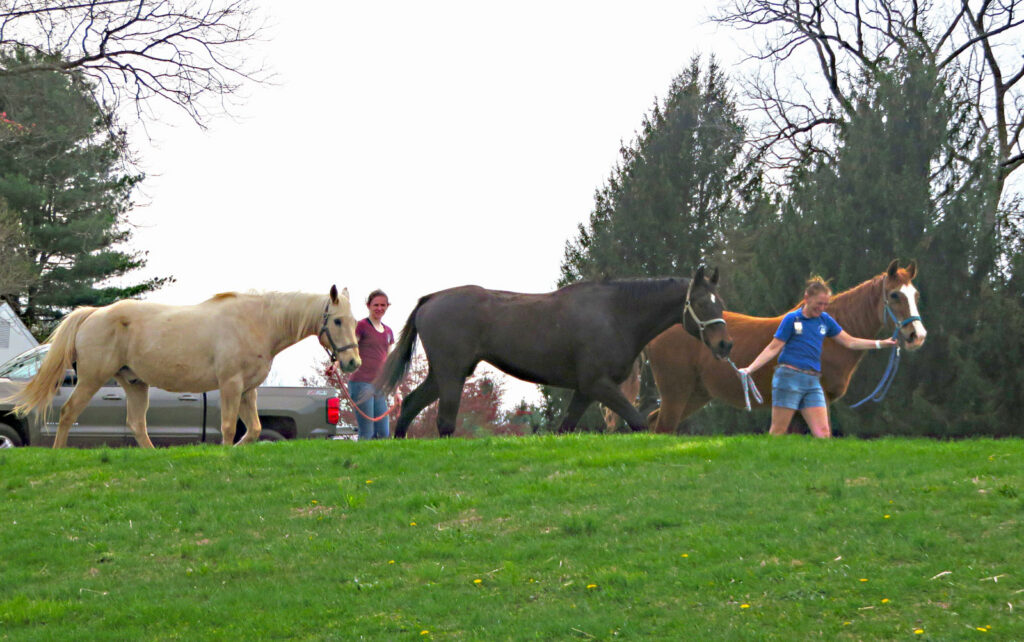
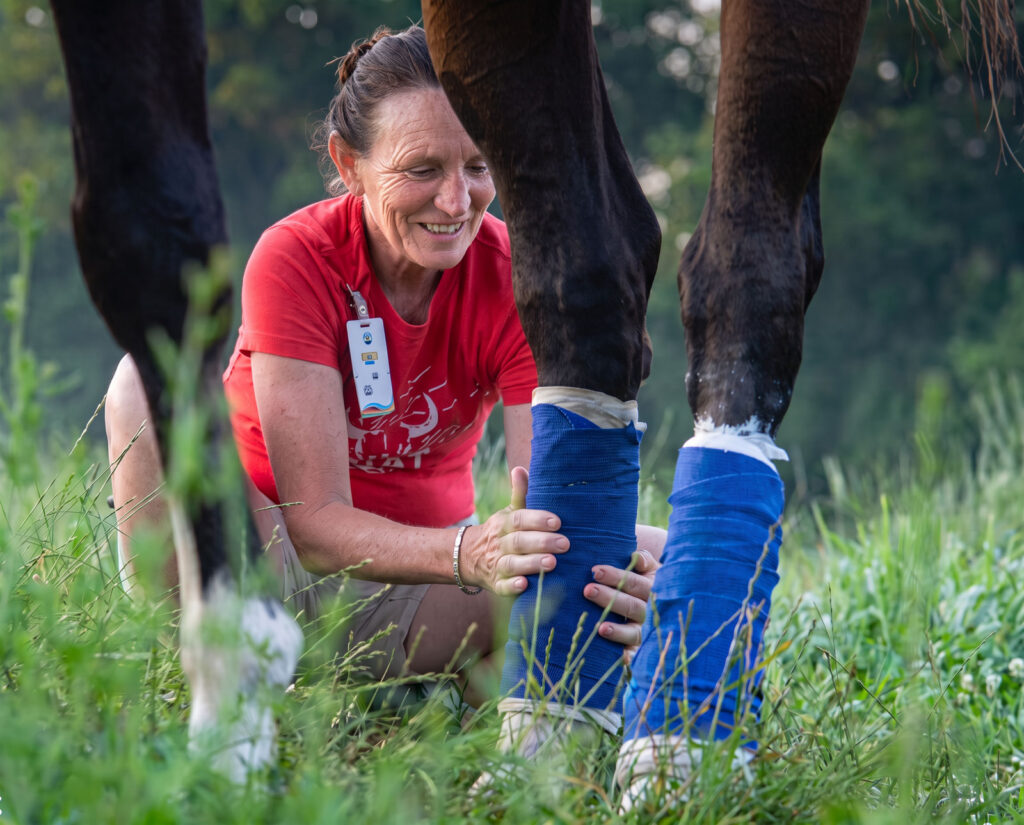
None of this happens without roughly 125 volunteers, some working in the stables a few days a week, others staffing the gift shop or showing up only for events. “We really couldn’t do as well as we do now without our volunteers,” Griffin says. “They’re a great source of love and devotion for the animals, but also a great source of labor for us. They’re really the backbone of what we do here.”
Full-time veterinary care is even rarer among sanctuaries, and Griffin considers it one of Ryerss’ defining features. The farm’s veterinarian came to them straight out of the military after training at the University of Pennsylvania. “If a horse is sick or beginning to colic, we have a vet here in minutes, instead of waiting for the vet on the other side of the county to arrive,” Griffin says.
Ryerss is largely self-sufficient by design. A farmer and three full-time farmhands grow hay and straw on-site, rotating in crops like beans and corn to sell between plantings, sometimes even selling surplus straw to construction outfits. “This isn’t a job, it’s a lifestyle,” Griffin says of the farm’s staff. “They all have skin in the game.”
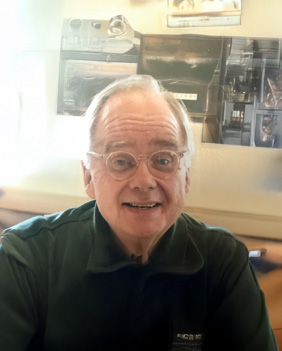
The main barn, built roughly 40 years ago when the property was still a cattle operation, is now mid-renovation with a new standing-seam roof, wider windows for more light in the 80 stalls, and new siding. “We’re not moving anywhere again, at least not in any of our lifetimes,” Griffin says, laughing, “so we’ve decided to put down our marker.”
Asked what’s changed since 1888 and what hasn’t, Griffin points to the obvious shift first: horses, once central to daily life, are now largely unfamiliar to most people. What hasn’t moved is the instinct Anne Waln Ryerss acted on more than a century ago—the determination to give horses a dignified end to their working lives. The farm’s original name, Ryerss Infirmary for Dumb Animals, was eventually retired because young visitors kept mistaking “dumb” for an insult rather than its old meaning of mute. Griffin still laughs recalling one recent visitor who, after an hour of questions, admitted he still wasn’t sure what an equine was.
Nearly 140 years after Anne Waln Ryerss stopped a lame horse pulling a bread wagon, her quiet act of defiance still echoes across Chester County’s rolling pastures. Today, the horses at Ryerss Farm no longer spend their days in service to people. Instead, people have chosen to be in service to them. It’s a simple reversal, but a powerful one—proof that compassion, once set in motion, can outlive the person who first imagined it.